Road bike cassette Black Friday on sale
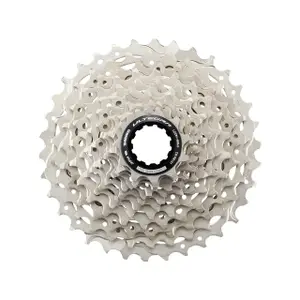
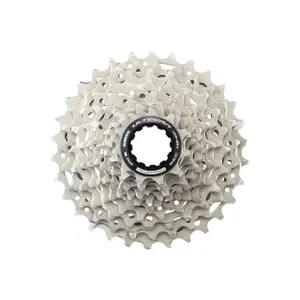
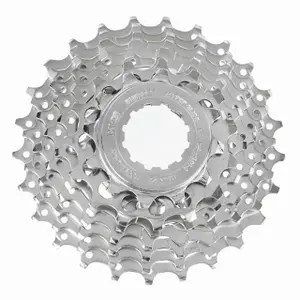
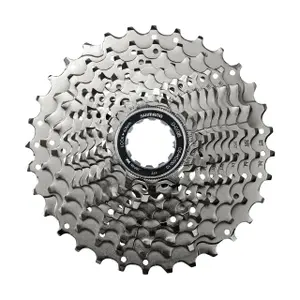
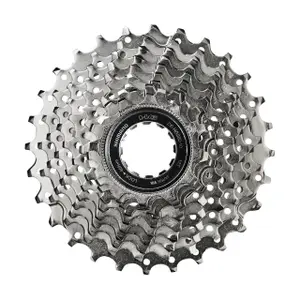


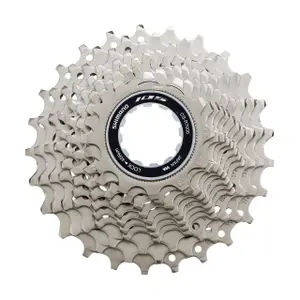


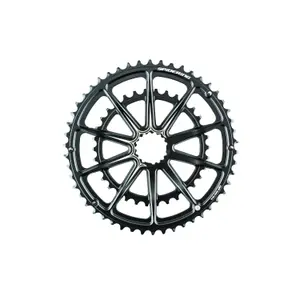
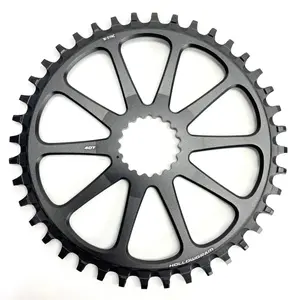


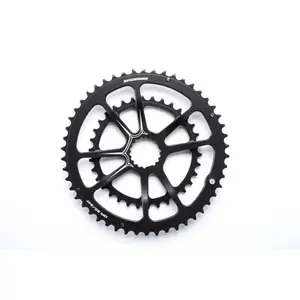
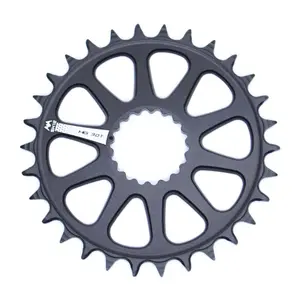


During Black Friday, a road bike cassette can be ordered based on three details of your bike: the number of speeds on the shifter, the freehub body of the rear wheel, and the largest sprocket accepted by the derailleur. Cassettes with 9 to 12 speeds, for Shimano, Sram XDR or Campagnolo bodies, are on sale throughout November. The gearing is then decided according to your routes.
Which cassette for which road bike?
The number of speeds is everything. For 9 and 10 speeds, the Shimano Sora and Tiagra, the Sram PG-1050 or the Microshift revive an older bike. For 11 speeds, the 105 and Ultegra R7000 and R8000, or compatible Sunrace and Miche, equip most road bikes. For 12 speeds, Shimano has designed its CS-R7101, CS-R8101 and CS-R9200 for the freehub body for its 11 speeds, while the Sram Force and Red, starting at 10 teeth, require an XDR body. A Campagnolo wheel requires a cassette with its splines, such as the Chorus or Campagnolo versions of the Miche Primato.
Gear ratios and derailleur: the largest sprocket decides
The two numbers of the gear ratio indicate the smallest and largest sprocket. Before moving to a larger sprocket for climbs, check the capacity of your rear derailleur. The Shimano CS-HG800 in 11-34, for example, only accepts a long cage derailleur, called GS; designed based on mountain bike cassettes, it mounts on a road body with the 1.85 mm spacer provided. Very close-range cassettes, like the Miche Primato in 11-21, target flat courses and time trials.
Cassettes on discount: compare like for like
A discount on a cassette can only be judged between two strictly identical references. Compare the crossed-out price with the displayed price after aligning these five points:
- The range: the Miche Primato comes in ranges from 11-21 to 13-34; only an identical range can be compared.
- The mounting: the same cassette sometimes exists for Shimano and Campagnolo bodies.
- The generation: an Ultegra CS-R8000 11-speed and a CS-R8101 12-speed are not interchangeable.
- The finish: with Sram, the Red XG-1290 is also available in an iridescent Rainbow finish.
- The contents: cassette only, set with chain like some Sunrace, or workshop box.
Other pages on road transmission
Off operation, the road cassettes and chains detail gear ratios and compatibilities year-round. A worn chain immediately wears out new sprockets: replace them together with the road chains from Black Friday, and check the wear on the chainrings. For another bike, look at the MTB, urban, or all-purpose cassettes from the sale. Discontinued series then move to clearance.
The brands of road cassettes in the selection
Miche offers the largest selection of gear ratios: its Primato comes in 9, 10, and 11 speeds, from the tightest ranges to the widest.
Shimano designed its 12-speed road cassettes for the freehub body of its 11 speeds, allowing a transition to 12 speeds without changing the wheel.
Sram starts its 12-speed road cassettes at 10 teeth, like the Force XG-1270 in 10-28, thus requiring the XDR body.
Sunrace, a Taiwanese manufacturer, offers compatible road cassettes for Shimano, RX1, or RS1, individually or in workshop boxes.
Microshift markets its road range compatible with Shimano under the name Arsis, represented here by a cassette with 11 speeds in 11-28.
Frequently asked questions
11-32 or 11-34 on a road bike?
The 11-34 offers a shorter development for long climbs, at the cost of larger gaps between sprockets. The 11-32 maintains more regular jumps on hilly terrain. In both cases, check the derailleur capacity.
How to change a road cassette?
With the wheel removed, lock the sprockets with a chain whip and unscrew the nut with a cassette tool. Clean the freehub body, align the largest spline of the new cassette, then tighten the nut to the specified torque. A 10-speed cassette on an 11-speed road body requires a spacer.
Why does a chain skip on new sprockets?
Often because the chain has stretched: it no longer engages on new teeth. A loose cable or a misaligned derailleur hanger can cause the same symptom; also check the indexing adjustment.
Will a Shimano cassette fit on a Campagnolo wheel?
No, the splines on the freehub body differ. Use a cassette designed for Campagnolo mounting, or change the freehub body if the hub manufacturer offers one in the Shimano format.
Does the Black Friday on cassettes only occur on Friday?
No. The Black Friday takes its name from the Friday following Thanksgiving, but the discounts at Vélo-Store on road cassettes continue throughout November. Take advantage of it to change the chain and cassette together: if replaced in time, the chain allows the cassette to last through multiple replacements.