
Electric mountain bikes: full suspension, hardtail
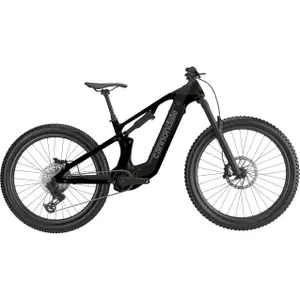
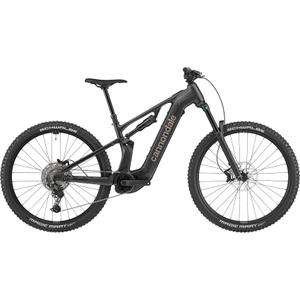
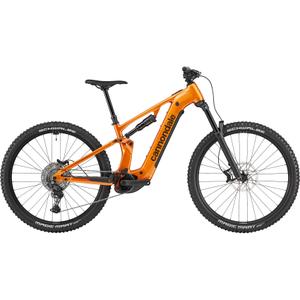
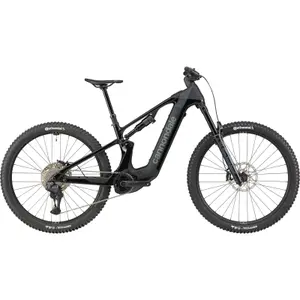
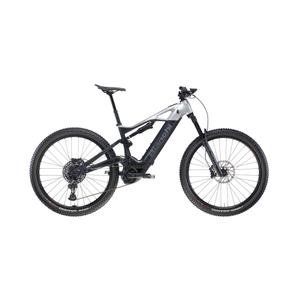
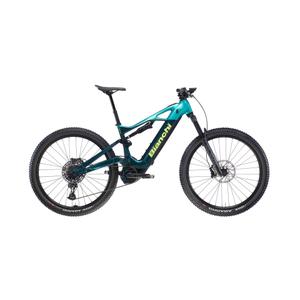
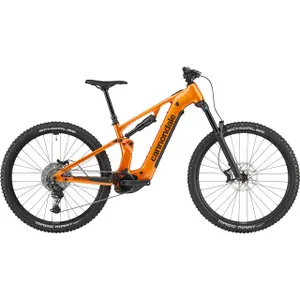
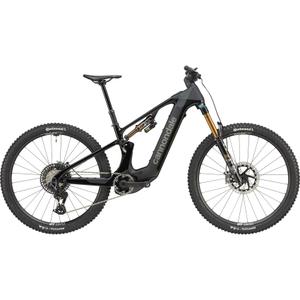
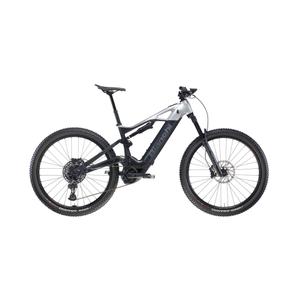
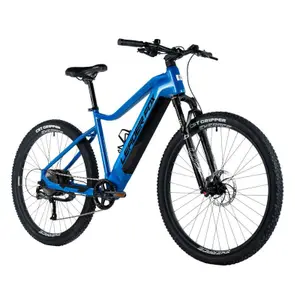
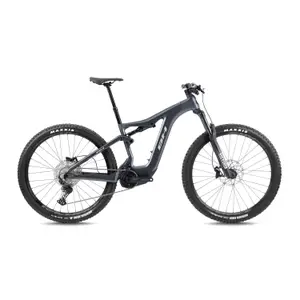
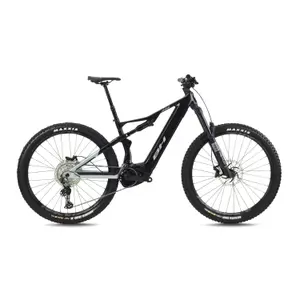
Starting at €4,674.90
€4,207.41
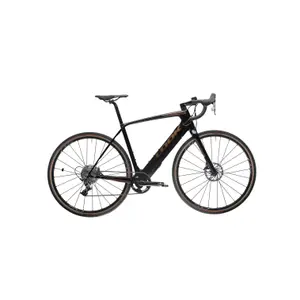
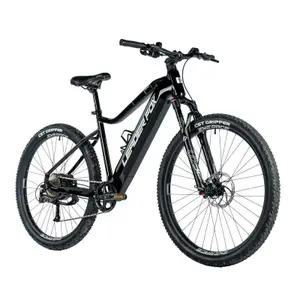
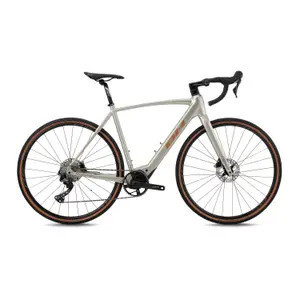
Starting at €4,599.90
€4,139.91
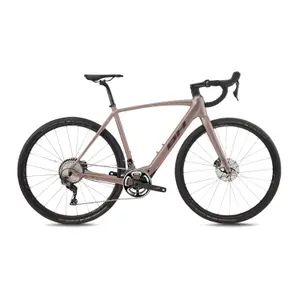
Starting at €5,099.90
€4,589.91
Starting at €5,699.90
€5,129.91
An electric mountain bike, or e-MTB, extends your rides and opens up technical climbs that riders once had to push up on foot. First choose between a hardtail and a full suspension bike according to your trails, then compare the motor, the battery and the travel: a lightweight model favours handling, a powerful one range and climbing.
What assistance changes on the trails
The motor does not do the work for you: it multiplies your effort on the climbs, which lets you fit more elevation into the same time, ride with fitter partners or get back into mountain biking after a long break. It also opens up new terrain: steep, rocky climbs and singletrack you can ride back up to descend again straight away. The technique remains that of mountain biking, with one difference to master: balance the assistance and your pedalling on tricky sections, or the rear wheel spins or the front lifts.
Assistance limited by law
An electric mountain bike follows the same rules as any electric bike. In the UK, gov.uk sets the limits of the electrically assisted pedal cycle: a motor with a continuous rated power of no more than 250 W that must not propel the bike above 15.5 mph (25 km/h). In the European Union, and therefore in Ireland, the motor's assistance stops when you stop pedalling, cuts out before 25 km/h and is limited to 250 W. In the United States, the federal definition of a low-speed electric bicycle allows a motor of under 750 W and a top speed of under 20 mph on the motor alone.
Modifying the bike so that the assistance continues above these limits changes its legal status: in the UK, it is then classed as a motorcycle or moped, which must be registered, taxed and insured and ridden with a driving licence.
Hardtail or full suspension: which e-MTB for which riding?
- Electric hardtail: a suspension fork and a rigid rear frame. Simpler and more affordable, it suits smooth tracks, leisure rides and mixed journeys.
- Trail full suspension: around 130 to 150 mm of travel, the compromise for climbing and descending on varied trails.
- Enduro full suspension: 160 mm and more, a slacker geometry and reinforced components for committing descents.
- Lightweight e-MTB: a more compact motor and a smaller battery, for a more agile bike that comes closer to the feel of a conventional mountain bike.
Motor, torque and battery: the key figures
Electric mountain bikes are fitted with a mid-drive motor, placed at the bottom bracket. Its torque, expressed in newton metres, reflects its strength on climbs: the most powerful motors reach 85 to 90 Nm, the motors of lightweight e-MTBs less. The battery, housed in the down tube, is measured in watt-hours: enduro models often exceed 700 Wh to last a long day, at the cost of a few extra kilos. A removable battery can be charged at home and taken out to transport the bike; a fixed battery is charged directly on the bike. Finally, consider the display and the manufacturer's app, which set the assistance modes.
Wheels, brakes and tyres suited to the weight
An electric mountain bike weighs considerably more than a non-assisted mountain bike and climbs faster: its components take this into account. 29-inch wheels dominate, sometimes combined with a 27.5-inch rear wheel, known as a mullet set-up, for more agility. Four-piston disc brakes and large-diameter rotors cope with long descents, and tyres with a reinforced casing resist pinch flats and punctures better.
What size electric mountain bike should you choose?
Start from the manufacturer's size chart, based on your height, and check the standover height: you should be able to put both feet on the ground either side of the frame without touching it, as a bike weighing more than twenty kilos is harder to catch. If in doubt, the smaller size gives a more playful bike on technical sections, the larger size a more stable bike at high speed. The length of the dropper post also matters: it should be able to drop well out of the way for descents.
Other mountain bikes
If you prefer a lighter bike without a battery, non-assisted hardtail and full suspension mountain bikes can be compared on the page covering all off-road bikes.
Which electric mountain bike brands should you choose?
BH Bikes fits its iLynx+ SL, with a carbon frame and 29-inch wheels, with a Shimano EP801 motor and a fixed 810 Wh battery; it comes in a Trail version, with 140 mm of rear travel, and an Enduro version, with 160 mm.
Polygon builds the Siskiu T6E, an aluminium electric trail bike with 29-inch wheels, 150 mm of travel at the front and 140 mm at the rear, a Shimano mid-drive motor and a removable 504 Wh battery integrated into the down tube.
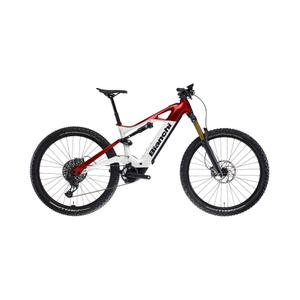
Bianchi uses a Bosch motor for its E-Vertic FX electric mountain bike, offered here in several specifications.
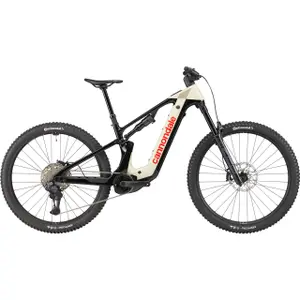
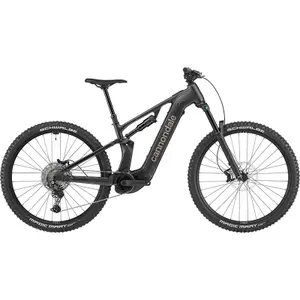
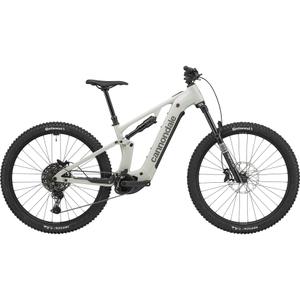
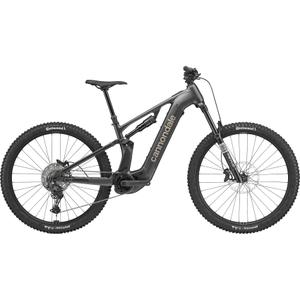
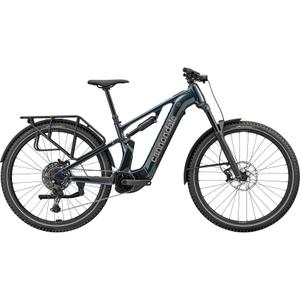
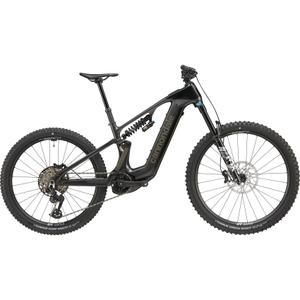
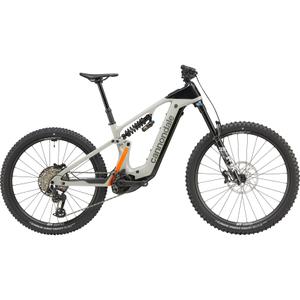
Cannondale organises its Moterra family by use: the Moterra SL, a lightweight e-MTB for fast, technical trails, the Moterra for long rides, the long-travel Moterra LT for rough terrain and the Moterra EQ, equipped for everyday riding as well as the trails.
Leader Fox, a Czech manufacturer, fits its Arran in particular with a 90 Nm Panasonic GX Ultimate mid-drive motor.
Electric mountain bikes on sale
A new model year moves previous models into the MTB outlet, and newly listed e-MTBs can be found in new arrivals. During the summer sales as on Black Friday, also compare last season's e-MTBs.
Frequently asked questions
Lightweight or powerful e-MTB: which should you choose?
A lightweight e-MTB appeals to riders who want to keep the liveliness of a conventional mountain bike and provide a good share of the effort. A powerful model, with its high torque and large battery, suits long days, big climbs and riders who want to lap descents. Try both if you can: the difference shows from the very first corners.
Is an electric hardtail enough to get started?
Yes, on forest tracks, gravel paths and less technical trails. It is lighter, simpler to maintain and more affordable. If you are aiming for rough descents or rides in the mountains, a full suspension bike will bring more comfort and traction.
How do you carry an electric mountain bike on a car?
Check the maximum load per bike of your bike rack and tow bar: an e-MTB often exceeds the limit of racks designed for conventional bikes. Remove the battery when it is removable to lighten the bike and protect the battery, and choose a tow bar bike rack, easier to load than a roof-mounted one.
How do you maintain an electric mountain bike?
The chain, cassette, brake pads and tyres wear faster than on a conventional mountain bike, because of the weight and torque: check them more often. Clean the bike with fresh water, avoiding pointing the jet at the motor and connectors, and have the system software updated during services.
Can you extend the range of an electric mountain bike?
Some systems accept a range extender battery that attaches to the frame; check compatibility with your motor. Otherwise, ride in a more economical assistance mode on the flat, keep a steady pedalling cadence and check your tyre pressure, which affects consumption.