
Bike crank puller and pedal wrench
Starting at €264.10
€221.04
Starting at €181.20
€153.06
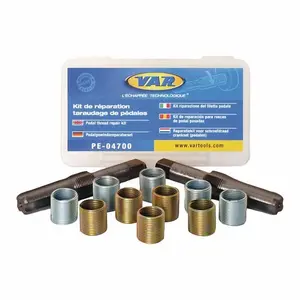
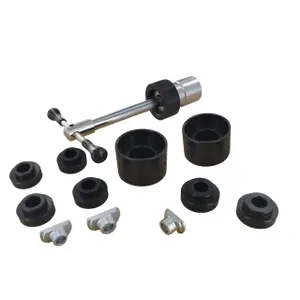
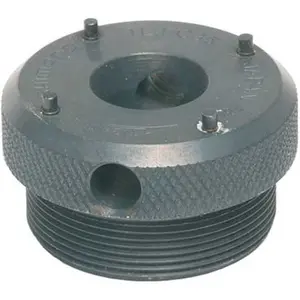
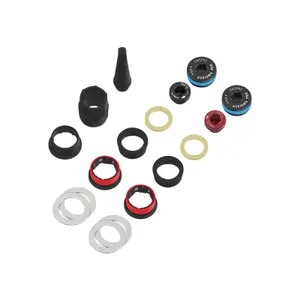
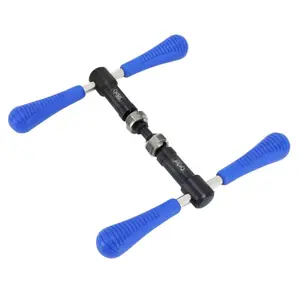
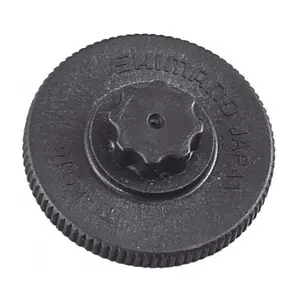
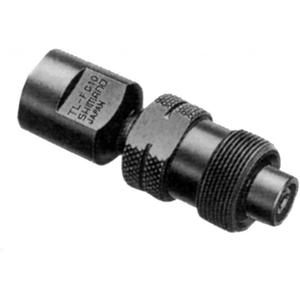
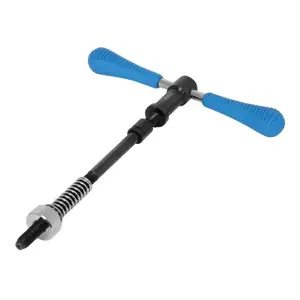
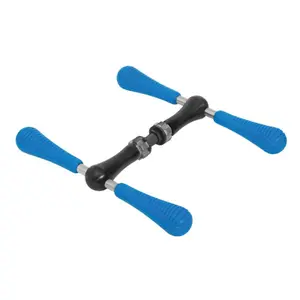
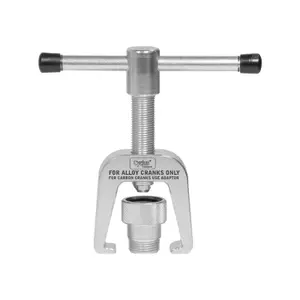
A bike crank puller screws into the crank and pushes against the axle to remove it; its tip must match the axle, whether square or splined for Octalink and ISIS. Integrated axle cranksets are usually removed with a cap tool or a simple hex key. Pedal wrenches, taps, and pedal repair kits complete the page.
What tool to remove a crank?
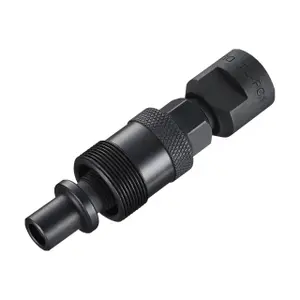
It all depends on the connection between the crank and the bottom bracket axle. On a square or splined axle, the crank is pressed on and cannot be removed by hand: after unscrewing the crank bolt, the extractor is screwed into the crank's thread, which has a diameter of 22 mm with a pitch of 1 mm, then its central screw pushes against the axle until the crank is released. On integrated axle bottom brackets, which are combined with the right crank, the left crank can be released by loosening its clamp bolts and then the preload cap, or by unscrewing the self-extracting bolt.
Square, Octalink or ISIS: check the end piece
The end piece of the extractor pushes against the end of the axle. On a square axle, a small diameter end piece is sufficient; on a wider Octalink or ISIS splined axle, a larger end piece or an adapter is needed, otherwise, the extractor will sink into the hollow axle without pushing anything. Some extractors have a reversible end piece for both cases. The thread of the crank must be clean and intact: a poorly threaded extractor can strip the aluminium threads, making the crank very difficult to remove.
Hollowtech II, DUB and self-extracting bottom brackets
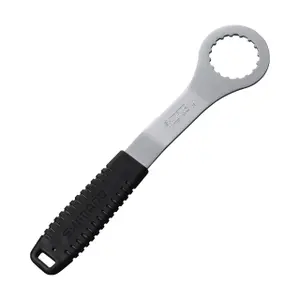
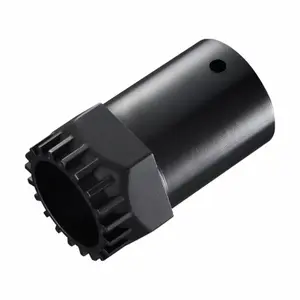
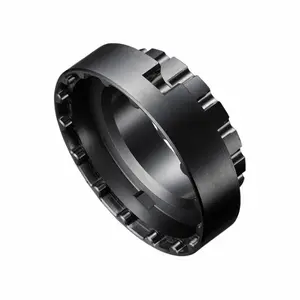
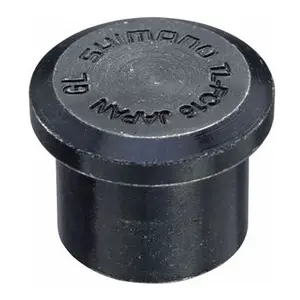
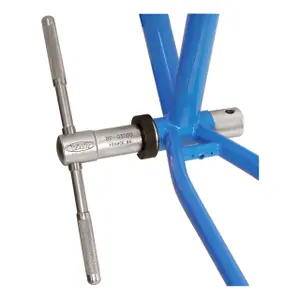
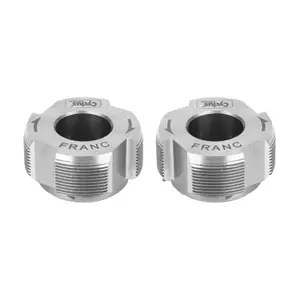
Integrated axle bottom brackets are adjusted with a cap tool: on a Shimano Hollowtech II, it is used to preload the left crank before tightening its two bolts to the specified torque. The Sram DUB bottom brackets and many self-extracting bottom brackets can be removed with a hex key, with the bolt pressing against a ring to push the crank off. The bottom bracket tool, which is essential later for removing the cups, can be found in the bottom bracket tools.
Pedal wrench: fitting and removing pedals
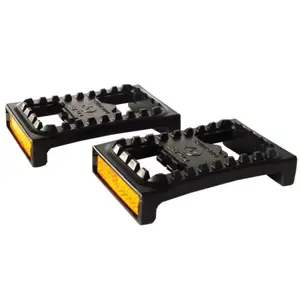
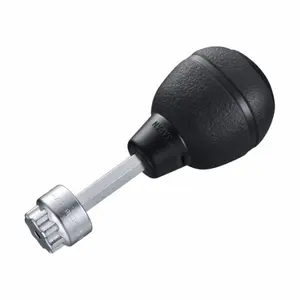
Pedals screw into the crank with a 9/16 inch thread, with 20 threads per inch. The right pedal screws in the usual direction, while the left pedal does the opposite: to remove, always turn towards the back of the bike. A fine 15 mm pedal wrench with a long handle provides the necessary leverage; many pedals can also be tightened from the back using a 6 or 8 mm hex key. Grease the thread when fitting; it will come off easily.
Taps, pins and pedal repair kits
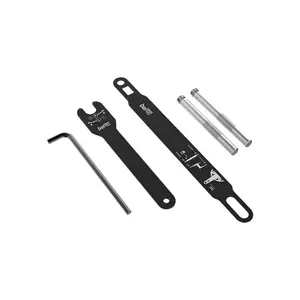
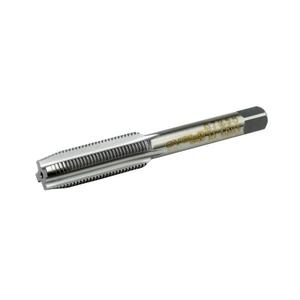
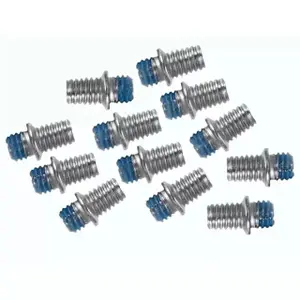
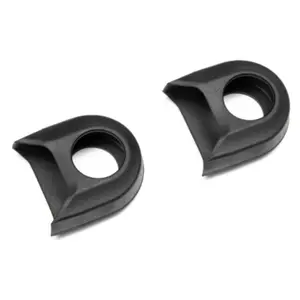
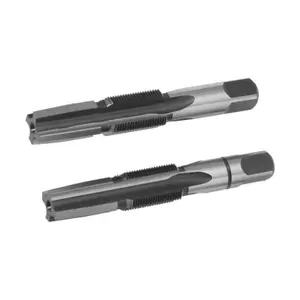
A damaged pedal thread can be repaired with a tap — right for the right crank, left for the left; a stripped thread requires an insert, which is fitted with a dedicated kit. Flat pedals also require maintenance: their pins can be replaced when they are bent or worn, and repair kits can renew the bearings and seals of the axle. Order parts by the exact model name of the pedal. For all tools, start with the bike tools, and to tighten to the correct torque, use hex and torque wrenches.
What pedal and bottom bracket tool brands to choose?
Race Face provides replacement pin kits for its Atlas and Aeffect flat pedals.
Shimano offers the TL-FC11 crank extractor, its Octalink adapter TL-FC15, the TL-FC18 cap tool for Hollowtech II, and the XTR crank wrench.
Cyclus offers pedal and crank taps, with right and left threads, including a version for threaded inserts, as well as an extra-long crank extractor and a model for Octalink.
Deity, a company owned and operated by riders, offers pins and repair kits for its Black Kat, Bladerunner, Tmac and Deftrap pedals.
Unior covers the 9/16 inch pedal thread with a set of right and left taps and an insert kit, and also offers extractors for Shimano Hollowtech II and Sram DUB.
Discounted bottom bracket tools
Find the discounted extractors and pedal wrenches in the clearance, and the tools for the latest bottom bracket standards in the new arrivals.
Frequently Asked Questions
In which direction to unscrew a bicycle pedal?
Towards the back of the bike, on both sides. When viewed from the side, the right pedal loosens like a regular screw; the left, with reverse thread, loosens by turning to the right. Position the wrench so that you push down as if pedaling.
Can you remove a crank without an extractor?
On a square or splined axle, no: hitting or levering on the crank distorts its housing or the axle. On a self-extracting bottom bracket or integrated axle, no extractor is needed; a hex key or cap tool is sufficient.
What extractor for an ISIS or Octalink crank?
An extractor with a large end piece, or a standard extractor fitted with an adapter for a splined axle. With a small end piece designed for a square axle, the tool sinks into the hollow axle and risks damaging the crank thread.
How to repair a stripped pedal thread?
If the threads are only crushed, a tap with the correct pitch can reform them. If they are stripped, the workshop can ream the housing and fit a threaded insert. Beyond that, the crank must be replaced.
Should you grease the pedal threads?
Yes. A layer of grease protects the threads from corrosion and seizing, allowing for easy pedal removal years later. For a carbon crank, follow the manufacturer's instructions, which may recommend a washer or a specific product.