
Freewheel remover Shimano, BMX and vintage bike
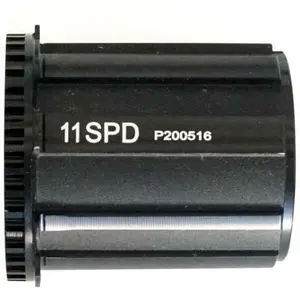
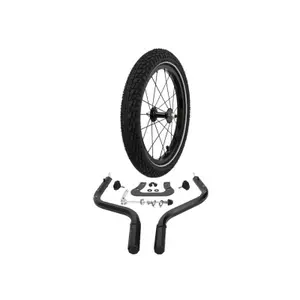
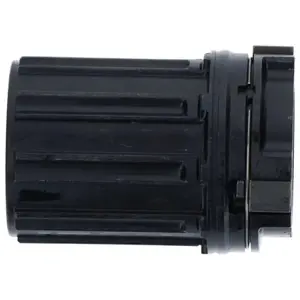
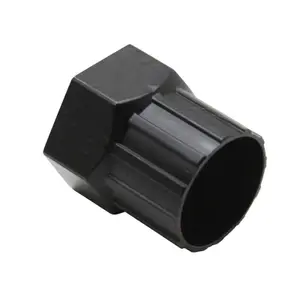
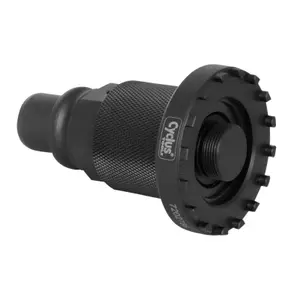
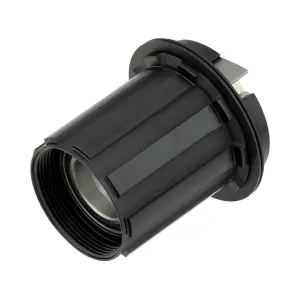
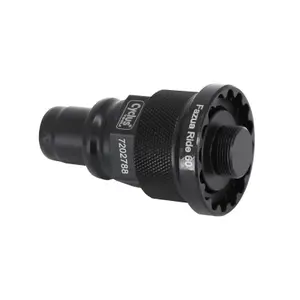
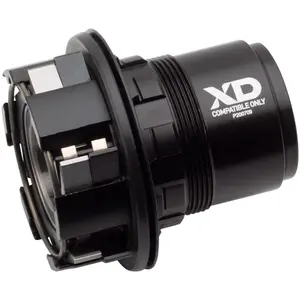
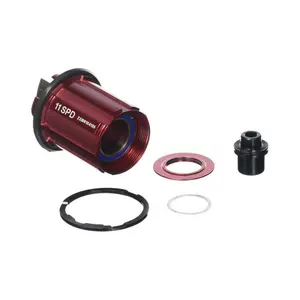
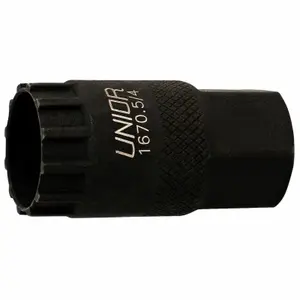
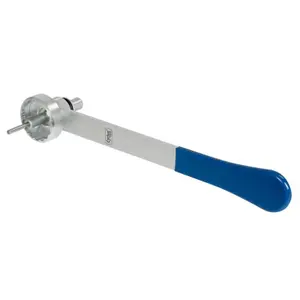
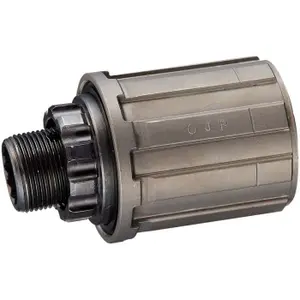
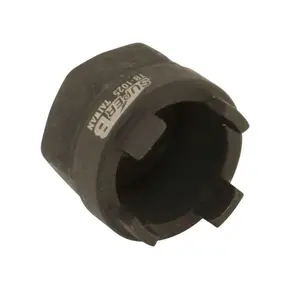
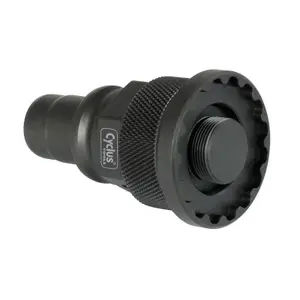
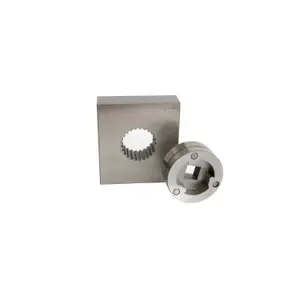
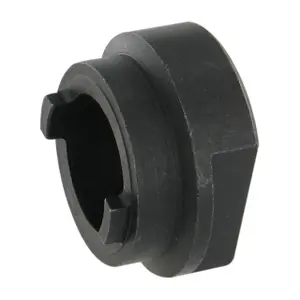
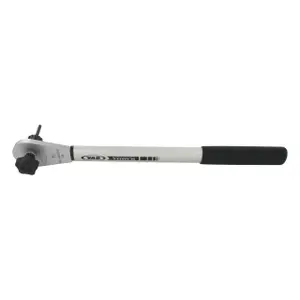
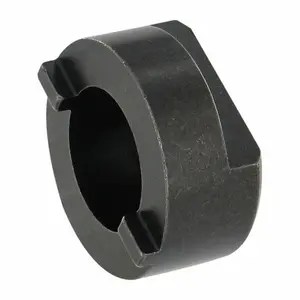
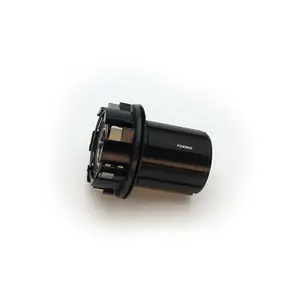
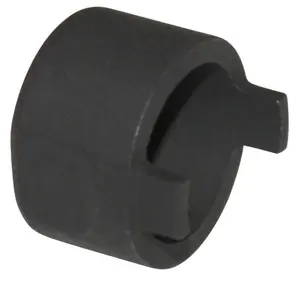
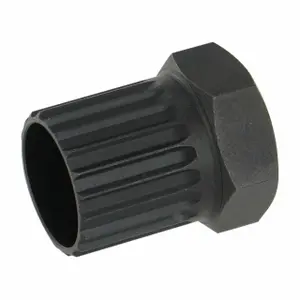
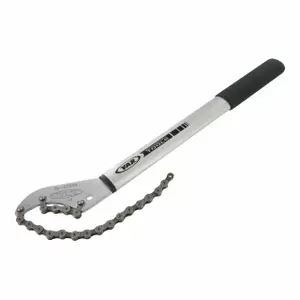
A freewheel remover unscrews the sprocket block screwed onto the hubs of old, entry-level bikes, many electric bikes, and BMXs. It fits into slots or pegs, with the number and diameter varying by the brand of the freewheel: identify this profile before ordering. The freewheel body kits on the page restore a cassette hub to working condition.
Screwed freewheel or cassette: what are we talking about?
A screwed freewheel combines gears and a ratchet mechanism into a single unit, screwed onto a thread on the hub. A cassette, on the other hand, slides onto a splined freewheel body that is part of the hub, and is held in place by a nut. The two are removed differently: the freewheel unscrews as a unit with a tool that fits in the centre, without a chain whip, while the cassette requires a cassette tool and a chain whip, combined in the cassette tools. You'll find freewheels on older bikes, entry-level bikes, many electric bikes with hub motors, BMX bikes, and single-speed bikes.
Splines or notches: the profile to identify
- 12 splines of about 23 mm: the most common profile, found on Shimano, SunRace, or Sachs freewheels. An old Shimano standard keeps 12 splines of about 20 mm.
- 20 splines of about 21.6 mm: Atom and Regina freewheels.
- 2 or 4 notches: Suntour freewheels, with 2 notches of about 25 mm or 4 notches of about 24 mm.
- 4 notches of about 40 mm: freewheels for BMX bikes and single-speed bikes.
Some older freewheels, like the Maillard with 24 splines or the Falcon whose 12 splines differ from the Shimano type, have their own tool. A nearly compatible extractor can damage the profile and make removal very difficult: compare the number of splines or notches and the diameter before buying.
How to properly use a freewheel remover
The tool must stay firmly engaged during loosening. On a quick-release wheel, reapply the tightening over the tool, slightly tightened, to press it against the freewheel; on a solid axle, the nut serves the same purpose. Loosen by one turn counterclockwise with a large wrench, then remove the tightening before finishing by hand. The freewheel often resists the first effort, after years of pedaling that have tightened it onto the hub. When reassembly, grease the thread and screw by hand to avoid cross-threading.
Freewheel body and hub parts
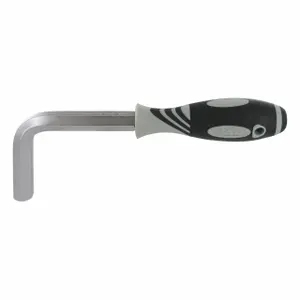
On a cassette hub, the freewheel body wears out or is changed to accommodate a different drivetrain. On most Shimano hubs, it is held in place by a hollow screw that unscrews with a large hex key, often 10 mm, once the axle and bearings have been removed; other hubs can be disassembled by hand. Conversion kits allow switching from a Shimano body to a Sram XD body, provided they are designed for your wheel model. The tools specific to electric bike motors and disc nuts complete the page.
Other tools for wheels and transmissions
Spoke wrenches, cone wrenches, and torque wrenches are found in the hexagonal wrenches, with chain tools in the chain tools. For the rest of the workshop, start with the bike tools, sorted by operation.
Which freewheel remover brands to choose?
Var offers a wide catalogue of extractors for old freewheels, Regina, Atom, and Zeus, Falcon in extended versions, Suntour with 4 notches or models with 2 notches called "Old Type", alongside tools for Shimano and BMX.
Cyclus provides 4-notch freewheel removers for Suntour and BMX, including snap-in versions that fit the brand's common tool holder.
Super B has a range of freewheel extractors, including the TB-1045 for Shimano MF freewheels and the TB-1050 for BMX freewheels with 4 notches, and combines a freewheel remover and a bottom bracket axle key in one tool.
Pedro's offers freewheel removers in socket form, with or without a guiding rod, including the Pro model, and a Spline tool for multi-speed freewheels.
Shimano supplies the TL-FW30, the extractor for its own spline freewheels, and parts like the freewheel kit for the FH-TC600 hub.
Freewheel remover on promotion
An extractor that stays in the toolbox for years deserves to be bought at the right time: watch for the clearance sales and new arrivals in the new products, or take advantage of winter sales to restore an old bike.
Frequently asked questions
How can I tell if my bike has a freewheel or a cassette?
Look at the centre of the smallest cog. A cassette shows a splined locknut and, when the wheel is removed, cogs that slide onto a splined body. A freewheel has a splined or notched housing at the centre that is part of the unit. The type of bike gives a clue, but is not enough.
Do I need a chain whip to remove a freewheel?
No. The extractor fits into the body of the freewheel, which unscrews as a single unit. The whip is only used to remove a cassette, or to separate the cogs from a freewheel that has already been removed.
My freewheel won’t unscrew: what should I do?
Make sure the tool is held against the freewheel by the wheel tightening, then use a longer wrench or clamp the tool in a vice and turn the wheel. An very old freewheel may resist significantly; if the profile starts to get damaged, stop and take the wheel to a workshop.
Can I replace a freewheel with a cassette?
Not without changing the hub or wheel: the freewheel screws onto a threaded hub, while the cassette requires a freehub body. Also check the frame dropout spacing and derailleur compatibility.
Is the freewheel remover suitable for electric bikes?
For the freewheel of an electric bike with a rear wheel motor, yes, if it matches its spline profile. The crank motor, on the other hand, requires tools specific to its manufacturer for the ring that holds the chainring.