Bicycle tyre lever, bleed kit and cable cutter


Starting at €219.99
€142.99

Starting at €61.69
€32.91
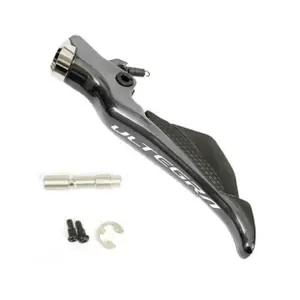


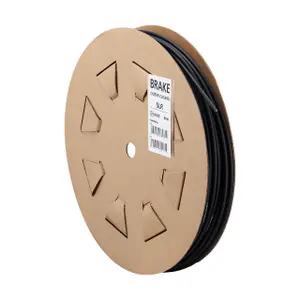


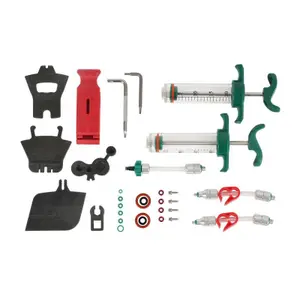


Bicycle tyre levers, bleed kits, cable cutters, fork or derailleur tools: this page brings together the tools designed for a single task, one that an ordinary wrench can't handle. For the most part, the right choice depends on a detail to check before buying, such as the brand and fluid of your brakes, the type of rim, or the model of your suspension.
Why specific tools alongside the keys?
Hex and Torx keys take care of the essentials of a bike, but some tasks require a tool designed for the job: removing a tight tyre without pinching the tube, bleeding a brake system without leaving air, cutting a cable without crushing it, extracting a fork seal without scratching the stanchion. These tools save time and prevent damage to expensive parts. They are chosen based on the part they work on, which is why it’s important to check compatibility before ordering.
Bicycle tyre lever: plastic, metal or reinforced?
The tyre lever lifts the tyre bead over the rim edge. Plastic models, often sold in pairs or threes, are gentle on rims and suitable for most setups; a hook on the other end catches a spoke to hold the bead up while you slide in the second lever. Reinforced versions, sometimes with a metal core, tackle tubeless tyres and tight beads without bending. A fully metal lever can easily mark a rim, especially carbon ones: reserve it for robust rims.
Bleeding a hydraulic brake: one kit per brand and fluid
A spongy lever or one that returns to the handlebar often indicates air in the system: bleeding gets rid of it and refreshes the fluid. The kit includes syringes, hoses and, most importantly, fittings that screw onto the lever and caliper, which have different threads depending on the brand. The fluid is just as important: Shimano and Magura use mineral oil, Sram uses DOT liquid, and the seals will only tolerate the specified fluid. A kit dedicated to your brand, or a universal kit supplied with adapters, avoids leaks at the fittings.
Cables, housings and hoses: cut cleanly, crimp neatly
Regular cutting pliers crush the housing and fray the cable. A cable cutter slices through the cable like the spiral of the housing; just need to reopen the inner conduit with a cable pick before fitting the end. The crimping tool secures the ends that prevent the cable from fraying. For hydraulic brakes, the hose cutter gives a straight cut, essential for a leak-proof connection, and a fitting tool pushes the insert into the hose without distorting it.
Suspensions and telescopic seat posts
Regular maintenance of a fork or shock requires tools specific to the model: sockets for the top caps, extractors and ring pushers, compression tools or syringes for certain cartridges. They come with kits of seals and spare parts. Before ordering, take note of the full reference of your suspension, engraved on the stanchion or marked on the shock, and follow the manufacturer's instructions; operations on cartridges or nitrogen shocks should be done in a workshop with the right equipment.
Transmission, derailleur and tightening
A bent derailleur hanger is enough to mess up the gears: the alignment gauge checks and straightens the hanger before any adjustment. A quick link pliers opens and closes the chain without forcing, and the wear indicator tells you when to change it; chain tools and whips are grouped in chain tools, and cassette removers in cassette tools. To tighten to the correct torque, check out the hex and torque wrenches, and to take the essentials out, the multi-tools. All tools are organised by operation in bike tools.
Which brands of specific tools to choose?
Elvedes, a Dutch family business specialising in control cables, offers Professional bleeding kits dedicated to Sram, Tektro, Magura or Campagnolo, as well as hose cutters, crimping pliers and the Felco C7 cable cutter.
Shimano provides the bleeding kit for its disc brakes, the TL-BH62 tool for inserting into hydraulic hoses, a quick link pliers and the TL-RD11 hanger alignment tool.
Fox Factory, an American manufacturer of forks and shocks, sells workshop tools for its own suspensions: fork seal extractor, shock sockets, compression tool, and maintenance kits by model.
Pedro's, an American maintenance and tool brand, sells its tyre levers individually or in boxes of 24, including the DH II model, and also offers fixed torque wrenches, quick link pliers, and chain wear indicators.
Campagnolo provides a bleeding kit, a derailleur adjustment gauge, and a grease injector for its components.
Specific tools on promotion
A tool whose reference changes may move to clearance; the newest kits and tools are featured in the new arrivals. The summer sales, before the major rides, are a good time to equip yourself with a bleeding kit.
Frequently asked questions
Plastic or metal tyre lever: which one to choose?
Plastic is suitable for the vast majority of tyres and protects the rim, including carbon ones. A reinforced or metal-core model helps with tubeless tyres and very tight beads, without the risks of a full metal lever. Keep two or three on you, they work together.
Can you bleed Shimano brakes with a universal kit?
Yes, provided the kit includes fittings suitable for Shimano levers and calipers and that you use the mineral oil prescribed by the brand. Never use DOT liquid in a circuit designed for mineral oil, or vice versa: the seals can't handle it.
How can I tell what fluid my brakes use?
The information is usually on the lever, near the reservoir, or in the brake manual: "DOT" for brake fluid, "mineral oil" for mineral oil. If in doubt, trust the brake manufacturer, not the bike brand.
Why a cable cutter instead of regular cutting pliers?
Its blades close against each other instead of pinching: the cable is cut cleanly without fraying, and the housing retains its round shape. A crushed housing hinders the cable and makes shifting or braking less precise.
Is a specific tool needed for maintaining a suspended fork?
For cleaning and greasing seals, a few simple tools are enough. Once you need to open the stanchions, change seals, or work on a cartridge, the manufacturer's tools become necessary, along with the manual that matches your model exactly.